
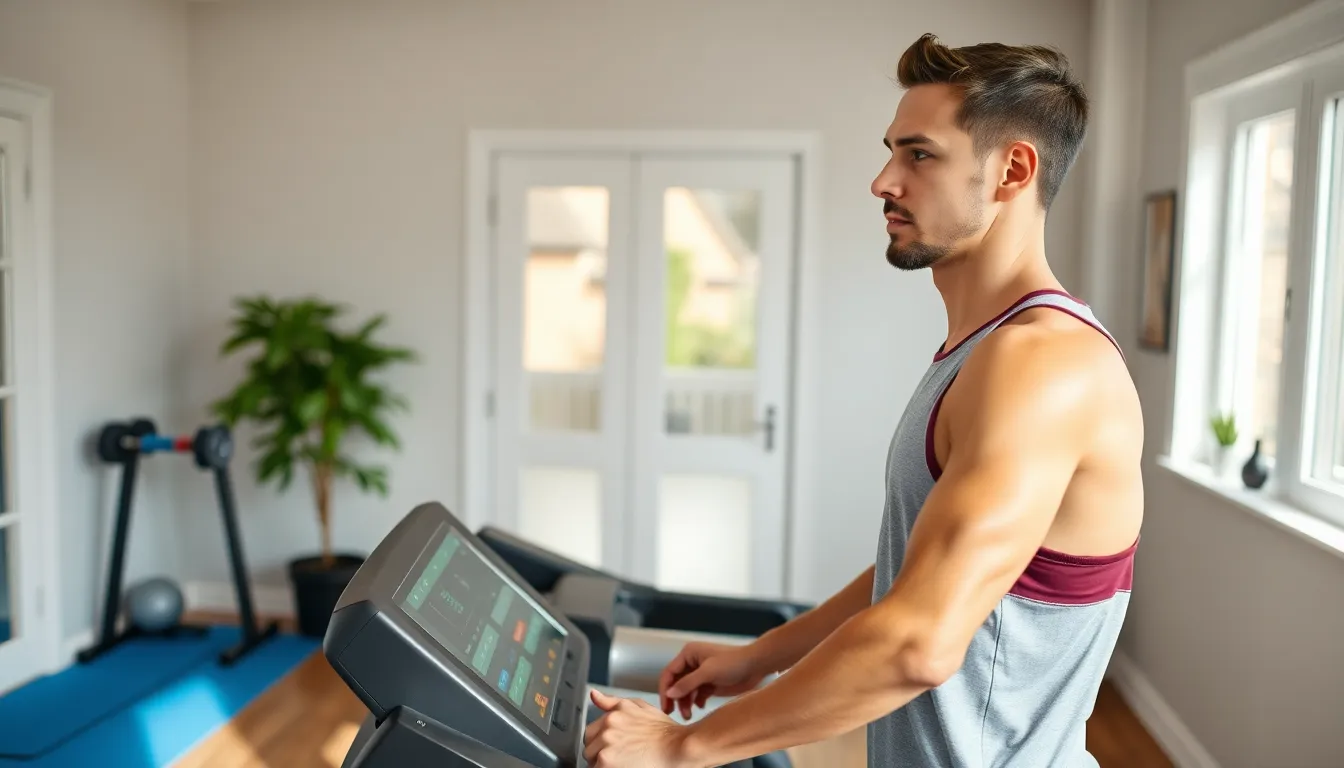
Imagine skipping the gym commute while still sweating it out like a pro. Home gym equipment makes that dream a reality, turning living rooms into personal fitness sanctuaries. No more waiting for machines or dodging sweaty strangers—just you, your favorite workout playlist, and a space to unleash your inner fitness guru.
With the right gear, anyone can transform their home into a powerhouse of strength and endurance. Whether it’s dumbbells that double as paperweights or a yoga mat that’s seen more Netflix than downward dogs, the options are endless. Investing in home gym equipment not only saves time but also lets you work out on your own terms. So, get ready to embrace the freedom of fitness at home—because who wouldn’t want to lift weights in their pajamas?
Types Of Home Gym Equipment
Creating a well-equipped home gym involves understanding various types of fitness equipment. These tools cater to different workout needs and preferences.
Cardio Machines
Cardio machines enhance cardiovascular health and endurance. Treadmills facilitate running or walking indoors, while stationary bikes provide low-impact cycling options. Rowing machines offer full-body workouts that improve strength and stamina. Ellipticals engage multiple muscles, delivering effective cardiovascular training. These machines allow individuals to monitor heart rates and track workout progress.
Strength Training Equipment
Strength training equipment builds muscle and increases strength. Free weights like dumbbells and kettlebells promote versatile workouts, allowing for numerous exercises. Resistance bands provide adjustable tension, making them suitable for various fitness levels. Weight benches complement free weights by offering stability and support. Home gyms can also include multi-gym systems for comprehensive strength training routines.
Flexibility Tools
Flexibility tools promote injury prevention and improve overall mobility. Yoga mats create comfortable spaces for stretching and floor exercises. Foam rollers aid muscle recovery and relieve tension. Stretching straps assist in achieving deeper stretches, enhancing flexibility. Incorporating these tools into workouts allows for well-rounded fitness routines that support joint health and overall performance.
Benefits Of Home Gym Equipment
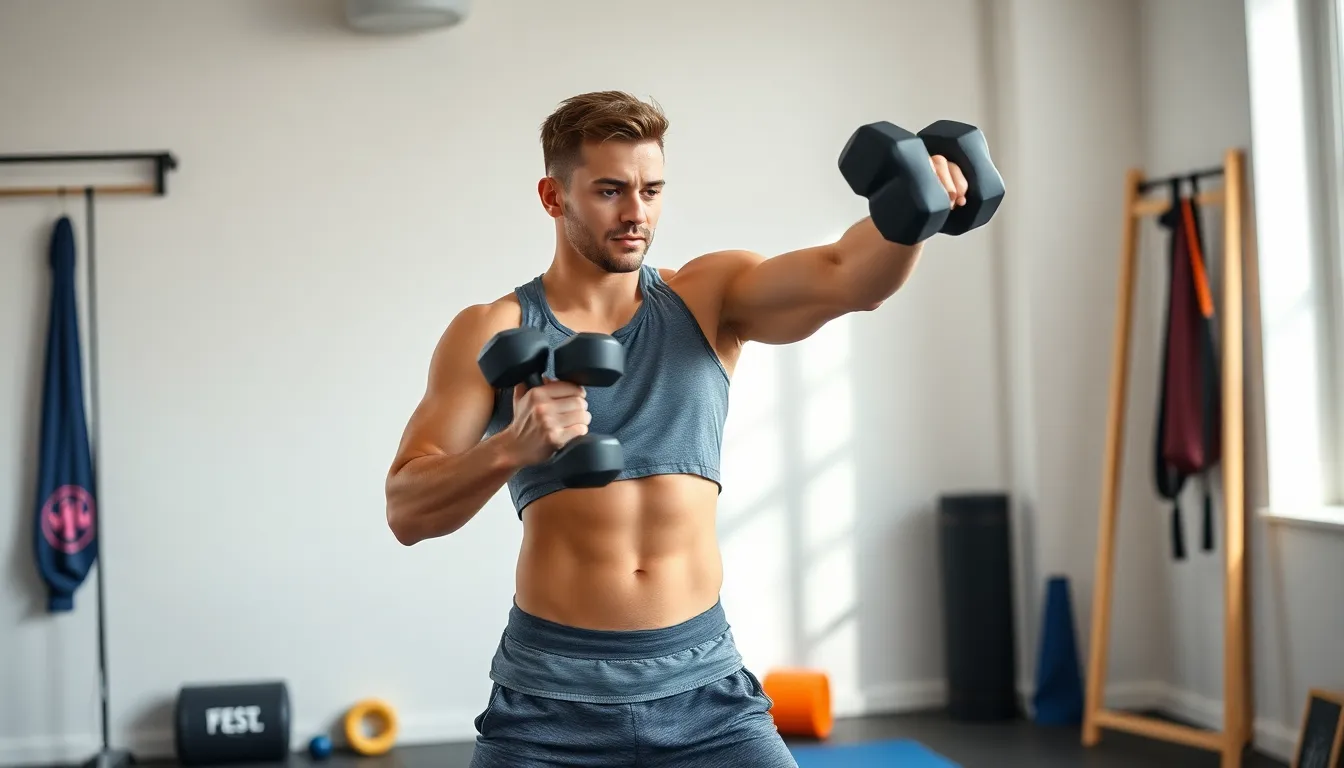
Home gym equipment offers numerous advantages for fitness enthusiasts and beginners alike. The flexibility to work out at home leads to healthier lifestyles.
Convenience And Accessibility
Convenience stems from the ability to exercise whenever desired. Having equipment at home eliminates commute times, allowing for spontaneous workout sessions. Individuals can set up their workout environment to suit personal preferences, enhancing comfort. This customization can boost motivation and minimize distractions. Access to various types of equipment enables a diverse workout routine tailored to specific fitness goals. Reduced travel stress means more individuals can commit to regular exercise, making fitness a consistent part of daily life.
Cost-Effectiveness
Cost-effectiveness arises from the long-term savings associated with home gym equipment. While initial investments may seem significant, they eliminate ongoing gym membership fees. Owning equipment allows for unlimited use without additional charges. Individuals can choose versatile items, such as resistance bands or dumbbells, which serve multiple exercise purposes. Additionally, many cost-friendly options provide effective alternatives to pricier machines found at commercial gyms. Over time, investing in a home gym often proves more economical than traditional gym memberships, particularly for frequent exercisers.
How To Choose The Right Home Gym Equipment
Choosing the right home gym equipment hinges on understanding personal fitness needs. By focusing on specific goals, individuals can select equipment that aligns with their fitness journey.
Assessing Your Fitness Goals
Determining fitness goals serves as a foundational step. He or she must consider whether training focuses on strength, cardio, flexibility, or a balanced mix. Establishing clear objectives—such as weight loss, muscle gain, or improved endurance—guides equipment decisions. Individuals targeting strength should opt for free weights, weight machines, and resistance bands. Cardio enthusiasts might look for treadmills, stationary bikes, or rowing machines. Assessing personal tastes in workouts can also influence choices, ensuring the equipment remains engaging and motivating.
Space Considerations
Evaluating available space proves crucial in selecting home gym equipment. Understanding the dimensions of the workout area allows individuals to choose equipment that fits comfortably. He or she should consider the layout, including ceiling height and proximity to walls. Compact machines, like foldable treadmills or multipurpose benches, work well in smaller spaces. Ample room enables the inclusion of larger items, like weight racks or ellipticals. Prioritizing a clutter-free environment enhances workout experiences, making it easier to stay committed. Clear organization and designated exercise zones promote a more enjoyable and efficient fitness routine.
Maintenance And Care For Home Gym Equipment
Proper maintenance ensures longevity and optimal performance of home gym equipment. Regular cleaning keeps surfaces free from dust and sweat, preventing rust and corrosion. Experts recommend using a damp cloth to wipe down equipment after each use, particularly on machines like treadmills and stationary bikes.
Lubrication is essential for moving parts. Equipment such as ellipticals or rowing machines benefit from periodic lubrication to maintain smooth function. Specific lubricants designed for fitness equipment should be applied according to the manufacturer’s instructions.
Inspection of the equipment for wear and tear is crucial. Regularly checking cables on weight machines or the condition of rubber mats helps identify issues before they escalate. Tightening any loose bolts or screws can improve stability and safety.
Storing equipment properly enhances its lifespan. For resistance bands or yoga mats, keeping them in a cool, dry area avoids damage from moisture and excessive heat. Additionally, covering expensive machines when not in use protects against dust and potential hazards.
Following the manufacturer’s guidelines significantly enhances maintenance routines. Each piece of equipment comes with specific care instructions, which should be prioritized to ensure functionality.
Scheduling routine maintenance checks every few months is advisable. This frequency allows for thorough inspections and necessary repairs, ensuring everything stays in peak condition. Adhering to these practices allows individuals to enjoy their home gyms for years, maximizing their investments in fitness equipment.
Creating a home gym offers unparalleled flexibility and convenience for anyone looking to enhance their fitness journey. With the right equipment tailored to personal goals and preferences, individuals can establish a motivating workout environment that fits seamlessly into their daily routines.
Investing in quality home gym equipment not only promotes a healthier lifestyle but also leads to long-term savings by eliminating gym memberships. By prioritizing maintenance and proper care of the equipment, individuals can ensure their home gym remains a valuable resource for years to come. Embracing this approach to fitness empowers individuals to take control of their health and achieve their desired results in a comfortable and familiar setting.