
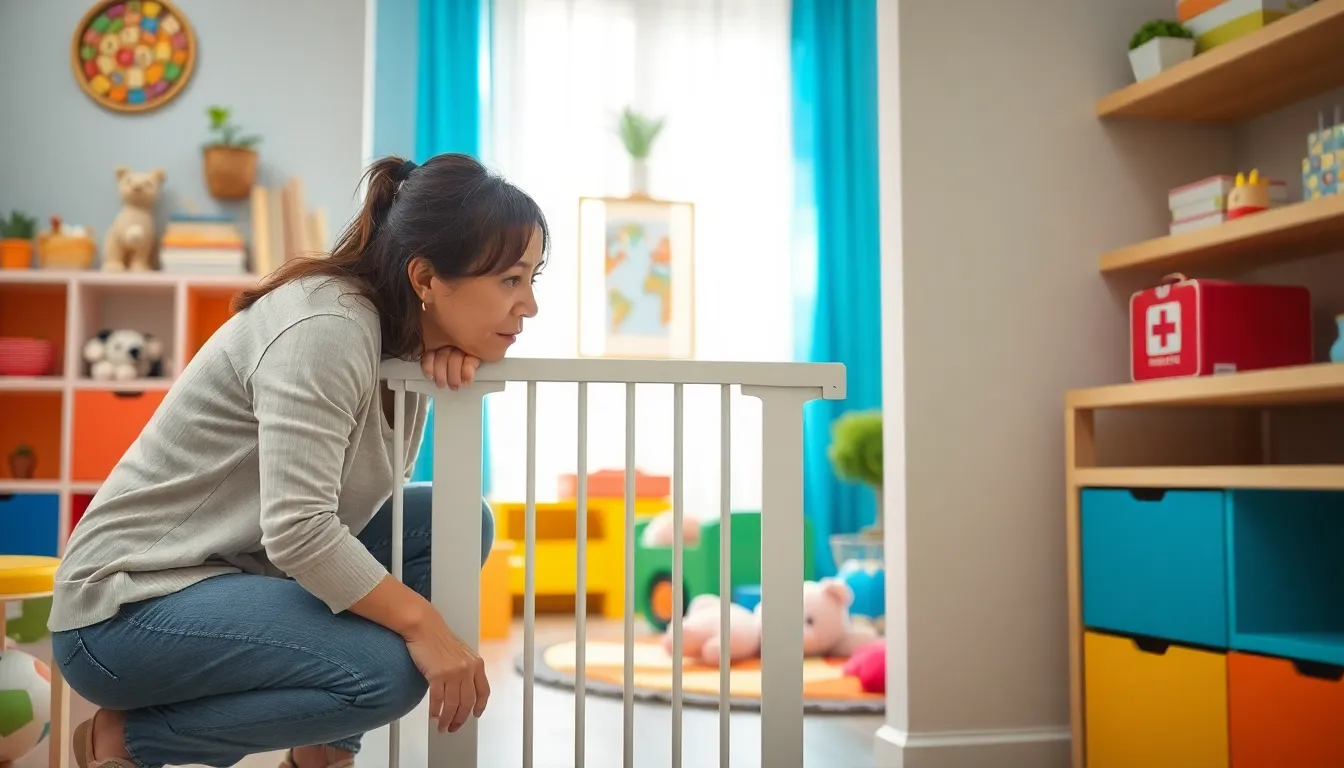
Creating a safe home for children is like assembling a puzzle with a few extra pieces that just don’t fit. Every parent knows that kids have a knack for turning the most mundane objects into potential hazards. From coffee tables that seem to have a magnetic attraction to tiny foreheads to electrical outlets that could double as a game of “let’s see what fits,” childproofing is no small task.
Importance Of A Child Safety Home
Creating a child safety home ensures a secure environment for children to explore and learn. Parents must recognize that injuries can occur from everyday household items. Safe homes reduce the risk of accidents, allowing children to grow with confidence.
Childproofing measures, such as securing heavy furniture and covering electrical outlets, play a crucial role in safety. Implementing these measures enables parents to minimize hazards effectively. Furthermore, a safe environment promotes independence while instilling responsibility in children regarding their surroundings.
Emergency preparedness contributes significantly to child safety. Keeping first aid kits accessible and teaching children basic safety protocols creates awareness and readiness. Families that prioritize safety prepare children to respond appropriately to unexpected situations.
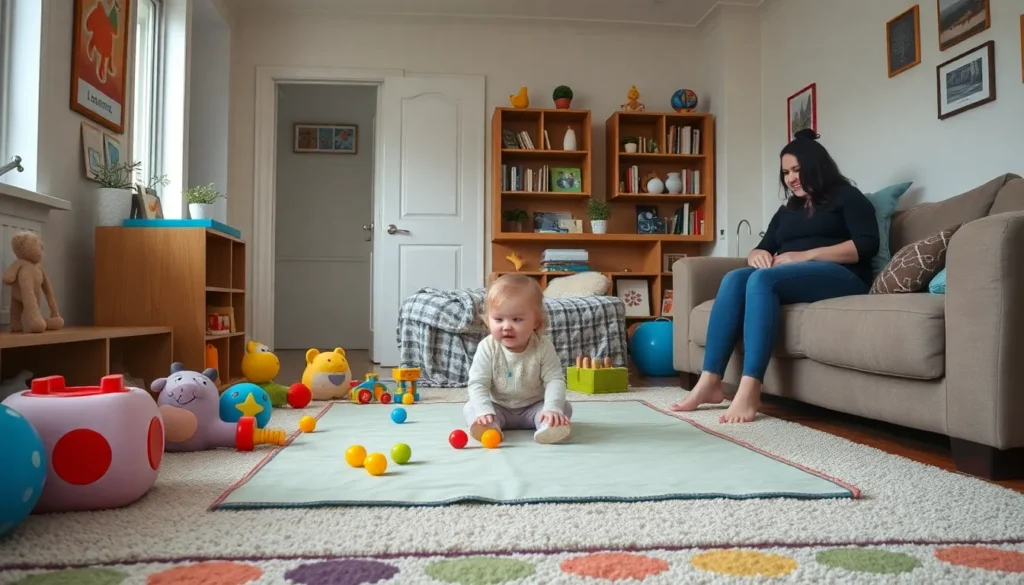
Creating designated play areas also enhances security. These spaces should be free of dangerous items, providing a safe zone for children to play. Supervision reinforces safety, ensuring that children remain aware of their limits.
Regularly inspecting the home aids in identifying potential dangers. Parents should monitor areas for sharp objects and choking hazards. Proactive management in maintaining a safe home environment supports a child’s well-being.
Investing time in educating children about safety fosters understanding. Simple discussions about not running indoors or the importance of wearing helmets while riding bikes contribute to long-lasting habits. Children equipped with knowledge become more responsible as they grow.
Establishing clear safety rules and routines strengthens a child’s awareness. Consistent reinforcement leads to better behavior and mindfulness. Overall, a child safety home significantly impacts a child’s development, providing a nurturing and secure foundation for life.
Common Hazards In The Home
Identifying common hazards in the home is essential for child safety. Various rooms present specific risks that require attention.
Kitchen Safety
Kitchens often contain sharp utensils and hot surfaces. Storing knives and other dangerous tools out of reach minimizes the risk of cuts and burns. Additionally, keeping cleaning supplies in locked cabinets helps prevent accidental ingestion. Preventing access to stoves and hot appliances is crucial. Installing safety latches on cabinets also enhances protection.
Bathroom Risks
Bathrooms feature several hazards, especially with slippery floors. Utilizing non-slip mats reduces the likelihood of falls. Supervised bath time is vital, as drowning can occur in just a few inches of water. Keeping medications and toiletries locked away deters children from accessing harmful substances. Covering electrical outlets further protects against electrical accidents.
Living Room Concerns
Living rooms host many potential dangers, including furniture and entertainment equipment. Securing heavy furniture to walls prevents tipping during play. Storing breakable items out of reach avoids injuries from shards. Loose cords from electronics can pose tripping hazards, so managing them effectively is key. Implementing a designated play area keeps children safe while encouraging exploration.
Effective Childproofing Strategies
Childproofing requires thoughtful planning and a proactive approach. Every area of the home presents unique challenges that need careful consideration.
Safety Gates And Barriers
Safety gates serve as effective barriers to limit access to stairways and hazardous areas. Installing gates at both the top and bottom of stairs prevents falls, ensuring children explore safely. Barriers around fireplaces or kitchens restrict access to potentially dangerous spaces. Choosing adjustable gates allows for a flexible fit in various openings. Opt for gates that meet safety standards, as this enhances overall effectiveness. Regularly check the stability of these gates to maintain security.
Secure Furniture And Appliances
Secure furniture using brackets and anchors to prevent tipping. Heavy appliances, like televisions and bookcases, can pose serious risks if not stabilized. Placing furniture against walls reduces the chance of accidents. Additionally, securing cords from televisions and other devices minimizes the risk of entanglement. Regularly inspect appliances for loose parts that might create hazards. Proper storage of heavy items in lower cabinets reduces injury risks during everyday activities. Creating a stable environment allows children to move confidently within their homes.
Resources And Tools For Parents
Parents benefit from accessing effective resources and tools that enhance child safety at home. These items support proactive measures and provide guidance to create secure environments.
Safety Checklists
Developing safety checklists simplifies monitoring safety measures throughout the home. Use checklists to identify potential hazards in various rooms. Regularly review areas, ensuring cabinets remain locked and heavy furniture secured. Check that safety gates block access to hazardous spaces, like stairs and kitchens. Include reminders for maintaining smoke detectors and carbon monoxide alarms. Review emergency contact numbers and have a first aid kit on hand. Create a systematic approach to childproofing through comprehensive checklists.
Recommended Products
Investing in recommended products can significantly enhance child safety at home. Purchase safety gates to limit access to tricky areas. Use outlet covers to prevent electrical accidents, reducing risk for curious little ones. Keep non-slip mats in bathrooms to minimize falls, ensuring a safer bathing environment. Secure cabinets with child-proof latches to restrict access to hazardous substances. Choose furniture anchors capable of preventing tipping over. A child safety home thrives on strategically selected products that foster a secure space for exploration.
Creating a child safety home is an ongoing commitment that pays off in peace of mind. By implementing effective childproofing measures and fostering a culture of safety, parents can significantly reduce risks and enhance their child’s ability to explore confidently. Regular inspections and proactive management of potential hazards are essential in maintaining a secure environment.
Encouraging children to understand safety rules and responsibilities not only protects them but also promotes their independence. With the right tools and resources, parents can build a nurturing space that supports their child’s growth while minimizing dangers. Ultimately, investing in child safety at home lays the groundwork for a lifetime of healthy exploration and learning.